 Watch replay
Lunch & Learn
Creating powerful visuals and presentations with AI
The setup that turns Claude into your design and pitch team. Prompts, brand skills and a full presentation built live.
Previous session
23 September 2026
Capture it once, imperfect and all, then let AI turn it into content and a brand worth following.
One hour. Grab your lunch. We'll take real, unpolished footage and turn it into finished, on-brand content live.
Watch first
[No video attached yet for this session, add before publishing.]
What to expect
The presenters on why you don't need to be a videographer to build a personal brand, what gets built live, and what you'll walk away with.
Presented by
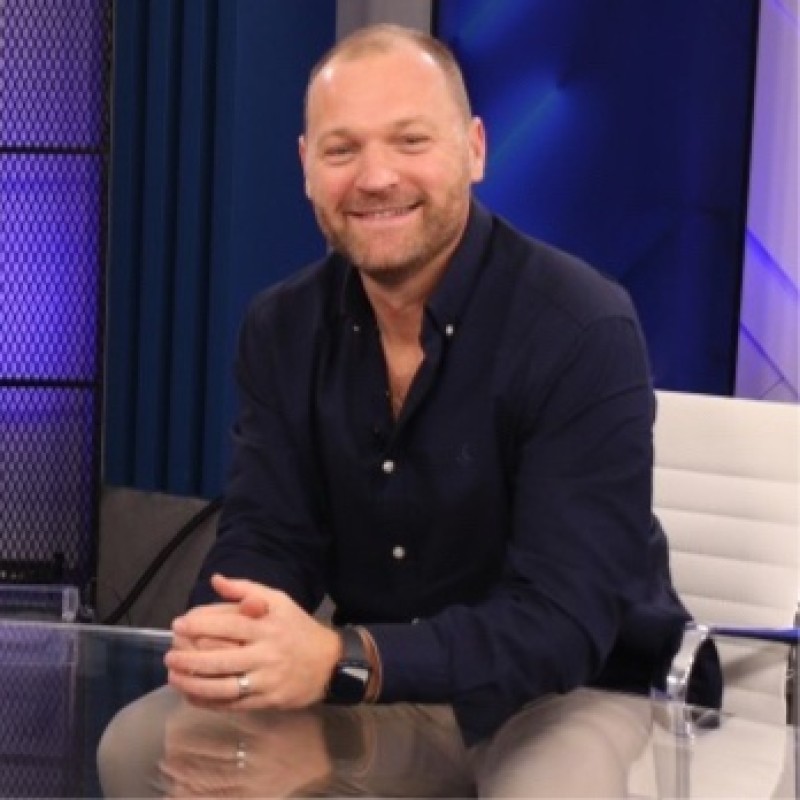
Brandon Burns
Head of Experience, BusinessAI
This is the mental model before the live demo. A project holds the material and the brand voice. A skill holds the process, so you explain it once and never again.
One home for the raw footage, the brand voice and the finished posts.
Create a project called 'Personal Brand & Content Engine'. This is where our raw footage, brand voice and finished posts will live.
Once it's set up, you never explain the process again. You just hand it footage.
Save this as a skill called 'clip-and-post': whenever I upload a video, call recording or transcript, find the 2-3 best moments, cut them into short-form ideas, write captions in our brand voice, and format each one for LinkedIn, Instagram Reels and TikTok.
Swap in whatever you recorded today. It does not need to be planned.
Here's the raw file from [today's client call / testimonial / podcast]. Using the clip-and-post skill, find the best 60-90 seconds and turn it into three ready-to-post pieces.
Stuck for ideas?
I've got nothing planned this week. Look at what we've already got sitting around, calls, testimonials, meetings, and suggest five content ideas from it, ranked by how likely they are to land.
Let it think creatively, not just format
Give me three different caption angles for this clip: one punchy one-liner, one that tells the story behind it, and one that asks a question to start a conversation.
The single biggest shift in personal brand content: stop recording for everyone, and start recording for one person. Define your ideal customer profile (ICP) once, bake it into the project and skill, and Claude can script to them, write captions aimed at them, and even rehearse you into a conversational voice before you hit record.
Who is the one person you're making this for? Add them to the project as a one-page profile: their role, their industry, the problem they're sick of, the words they actually use, and what a good outcome looks like to them.
Add an ICP profile to this project. The person is [role, e.g. a busy operations manager in a trades business]. Write a one-page profile: their biggest frustration, the words they'd use to describe it, what they already tried, and what a good outcome looks like to them. Keep it in plain language, no marketing speak.
Save the ICP into the clip-and-post skill so every hook, script and caption is aimed at that one person, not at 'everyone'. From now on, everything it writes should sound like a conversation with them, not a broadcast.
Update the clip-and-post skill so that before it writes anything, it reads the ICP profile and writes every hook, script and caption as if it's talking to that one person. The tone should sound like a conversation with them, not a broadcast to a room.
Before you record, ask Claude to play that person and run a quick back-and-forth. It gets you used to talking to them, not at a camera, so by the time you hit record you're already in conversation mode.
Roleplay as my ICP. I'll talk through [topic] as if we're on a call. Ask me two or three follow-up questions the way they would, push back once if I go too generic, and at the end tell me which parts sounded like a real conversation and which sounded like a pitch.
Get a script that sounds like you, not a presenter
Write me a 30-second opener for [topic] as if I'm explaining it to [ICP name] on a call, not presenting to a room. Plain words, no buzzwords, start with the problem they care about, and end on the one thing they should do next.
01
A client call, a testimonial, a podcast, footage on your phone. Nothing needs to be planned or perfect.
02
Use a tool like Opus Clip, Descript, Riverside or CapCut to turn long footage into short, captioned clips. Claude doesn't replace these tools, it directs them: telling you which moments are worth pulling before you touch the editor.
03
Hand the clip, or just the transcript, to the clip-and-post skill and get the caption, hook and hashtags written in your brand voice, so every post sounds like you.
04
If your CRM or scheduler connects via Zapier (most do, including GoHighLevel), Claude can automate the handoff so a finished clip and caption lands straight in the queue. Otherwise, ask for the same post formatted three ways, a LinkedIn caption, an Instagram caption, a TikTok caption, so whoever schedules it just copies and pastes.
You do not need all of these. Pick the one that suits how you already record.
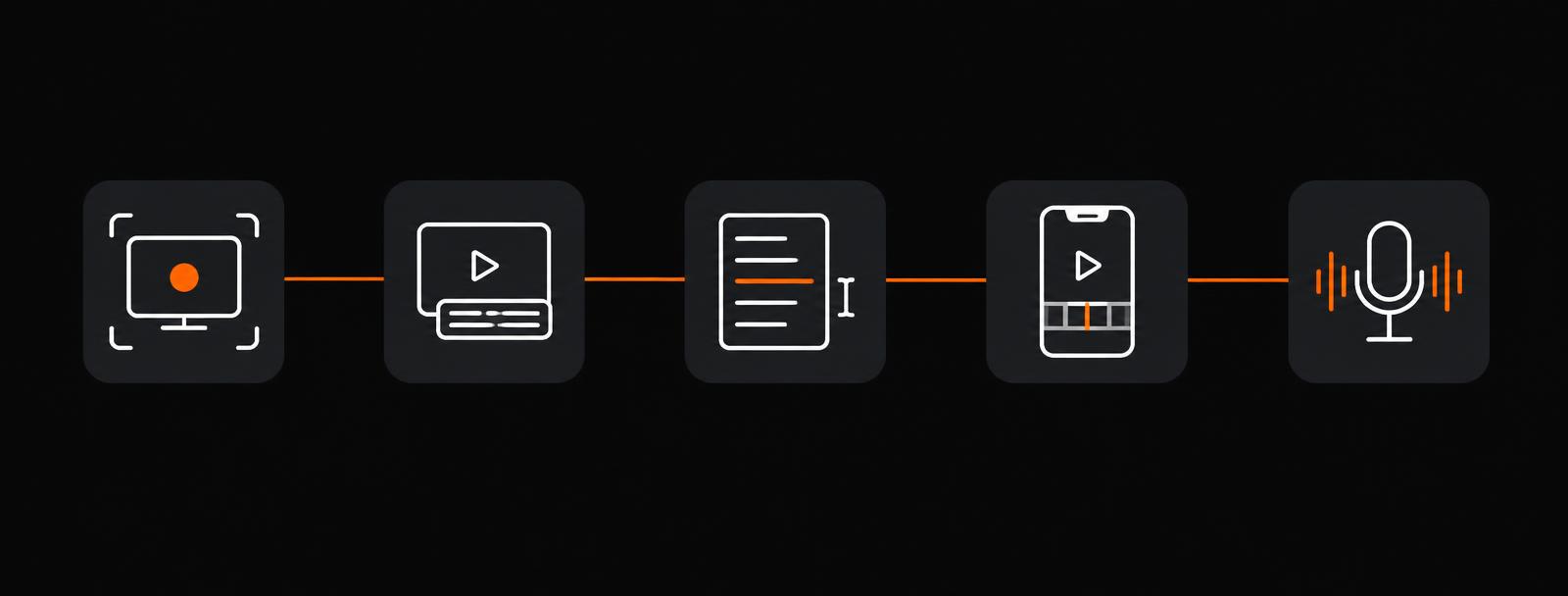
Loom
For capturing screen shares, walkthroughs and quick talking-head videos straight from your desktop. Great for turning a client demo, a how-to, or even a Teams call recap into raw footage you can repurpose, no separate camera setup needed. See the Clone yourself with Loom session in the library below.
Opus Clip
Turns long recordings into short, auto-captioned clips. This is what BusinessAI's own session videos are already made with.
Descript
Edit video like a document, cut filler words out by deleting text.
CapCut
Fast, mobile-friendly cuts and captions.
Riverside
For recording high-quality remote calls in the first place.
Quick tips before you hit record
Most people think they have nothing to post. They usually have months of it already recorded, written or sitting in their camera roll. Here is where to look first.
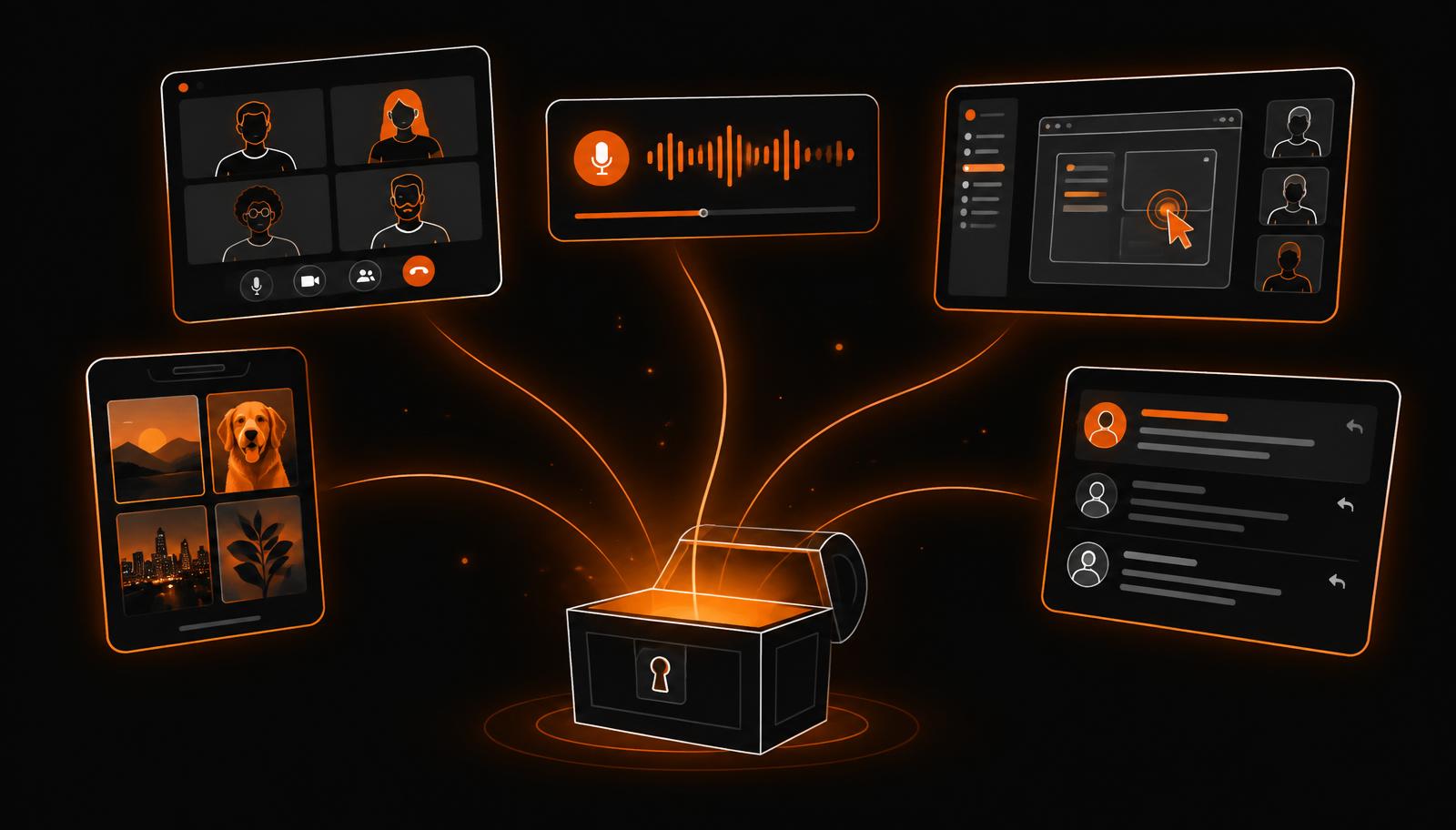
Every call where you explained what you do is a mini masterclass. The bit where the client says "oh, so it just does that for us?" is your hook.
If three clients asked it this month, that is a post. Your inbox and your quotes are a content calendar you already wrote.
The walkthrough you recorded once for a new starter teaches your audience the same thing.
You already explained it clearly, to camera, for free. Strip the client's name and it is a post.
The voice memo you sent yourself at the lights is your rawest, most human thinking. Hand it over as a transcript.
Job sites, before and afters, the whiteboard, the delivery, the team at lunch. Proof beats polish.
The long message you typed in Teams explaining your approach is a finished LinkedIn post in disguise.
Someone already wrote your best copy for you. Quote them and add the story behind it.
Let Claude audit it for you
Don't guess which bits are worth posting. Hand over the list and let it pick.
Here's a list of everything we've recorded or written in the last three months: client calls, Loom videos, team meetings, testimonials, quotes and emails. Go through it and tell me which ten pieces are hiding content we could post, what the angle is for each, and rank them by how likely they are to land with our audience.
The clip is only the first thing in a recording. Once the skill has the transcript, the words are already there, so ask for the quote cards, the carousel and the written post at the same time. One recording, five or six pieces of content.
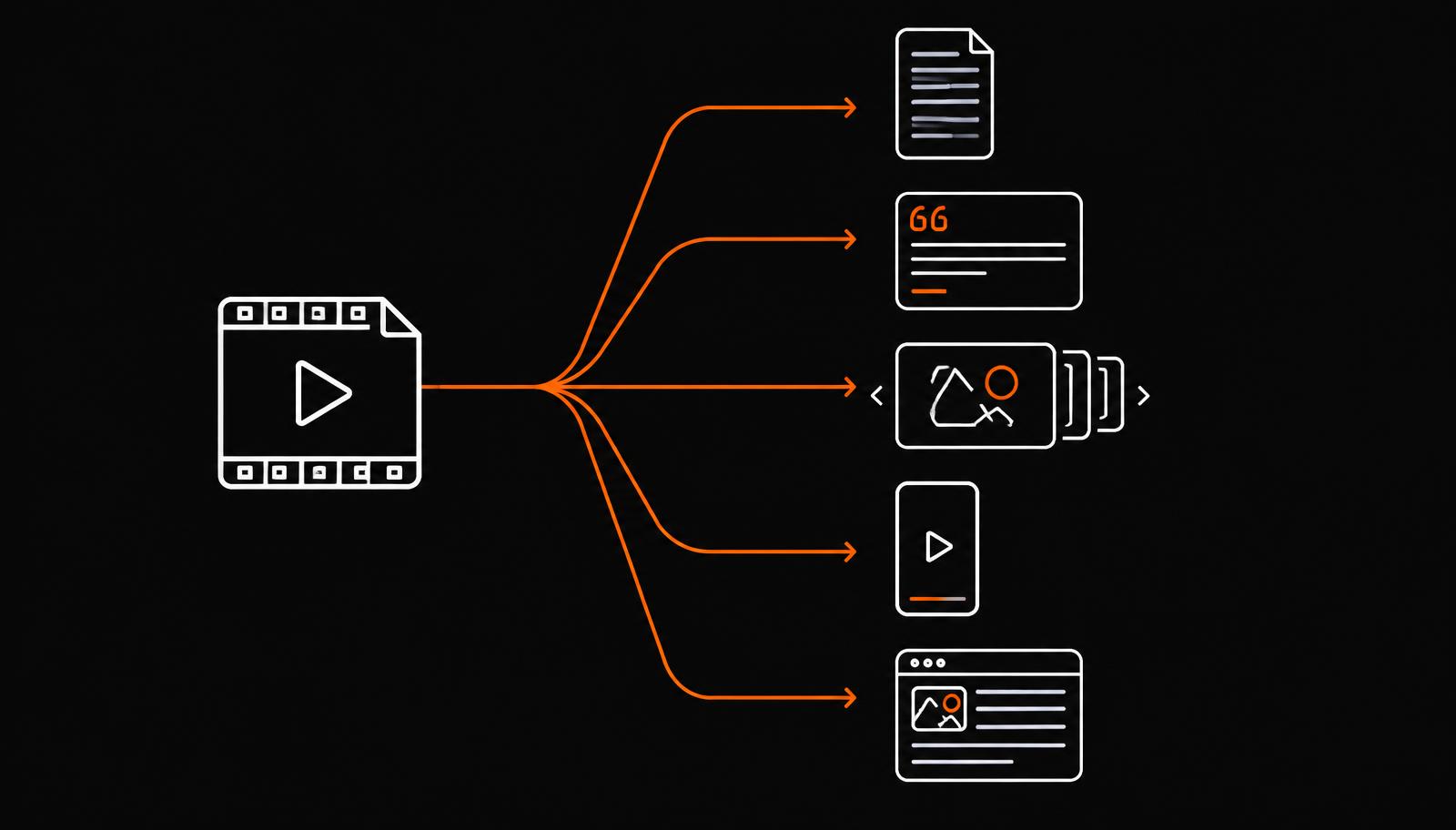
Quote cards
The exact line they said, pulled straight from the transcript.
Carousels
Five slides, one point each, from the middle of the conversation.
Text posts
The story behind the clip, written in your voice, no video needed.
Checklists
Any list you said out loud becomes a saveable graphic.
Email or newsletter
The same content, longer, for people not on social.
Hand Claude the recording link, the auto transcript from Fathom, Teams, Zoom or Loom, or just the caption file from the clip. That text is the raw material for everything else.
Here's the recording and transcript from today's call. Using the clip-and-post skill, read the whole transcript first and give me a short summary, the three strongest moments with timestamps, and the exact quotes word for word.
Take the timestamps straight into Opus Clip, Descript or CapCut. You are no longer scrubbing through an hour of footage guessing where the good bit is.
For the strongest moment, give me the in and out timestamps, a three-word on-screen title, and a hook line for the first two seconds so it stops the scroll.
This is where one piece becomes five. The words are already there, so ask for the still posts alongside the clip.
From the same transcript, now give me the static posts to run alongside the clip: three quote cards with the exact quote and a suggested background, one five-slide carousel with a headline and one line per slide, one text-only LinkedIn post in our brand voice, and one checklist graphic of the steps mentioned.
One recording becomes a fortnight of posting, not a single Tuesday. Ask for the running order too.
Turn all of that into a two-week posting schedule: which piece goes out on which day, on which platform, and give me one follow-up comment I can pin under each post to keep the conversation going.
You don't need a new shoot. If you're already recording client calls in Fathom, Teams or Zoom, that's raw material sitting there, and it's exactly the kind of material a personal brand is built from. You just need a skill that knows what to look for.
Turn this client testimonial call into a 45-second reel with the best quote as the hook, captions burned in, and a caption ready for Instagram.
This is a full podcast recording. Pull out the three most quotable moments and turn each into a short clip with its own caption.
This is a Teams recording of a client walkthrough. Find the moment where they describe the result in their own words, and turn it into a customer-story reel.
[Swap these for the real before and after screenshots straight after the session.]
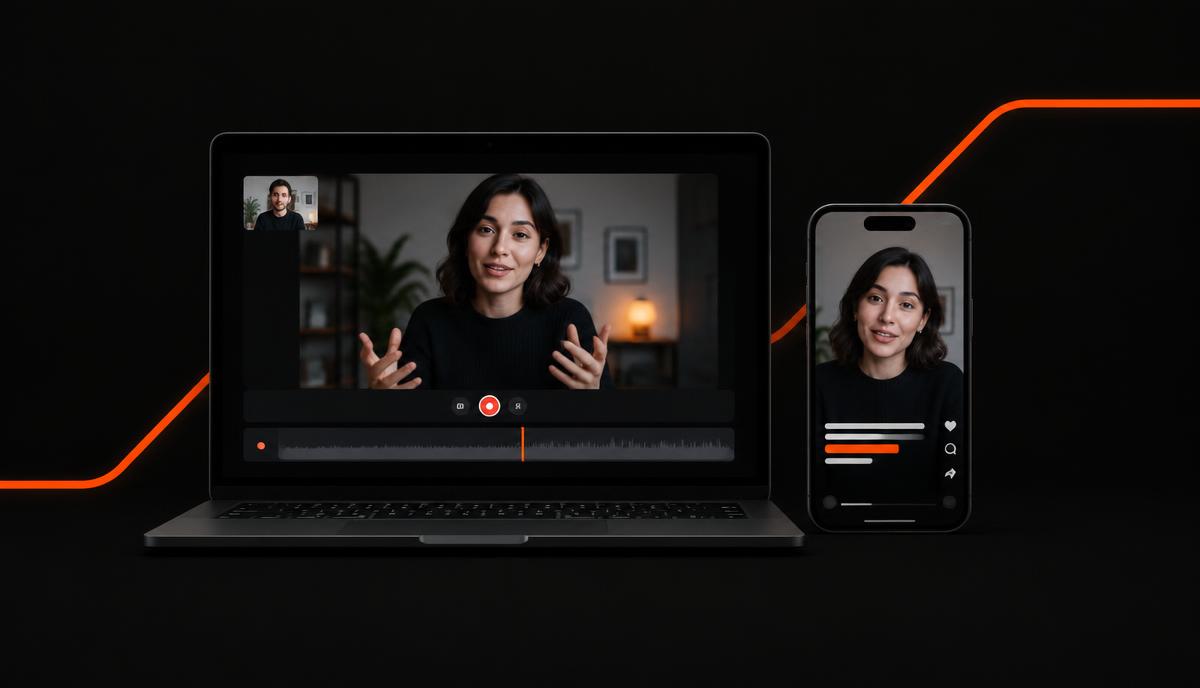
One recorded call, cut down to the 45 seconds worth watching, captioned and captioned again for each platform.
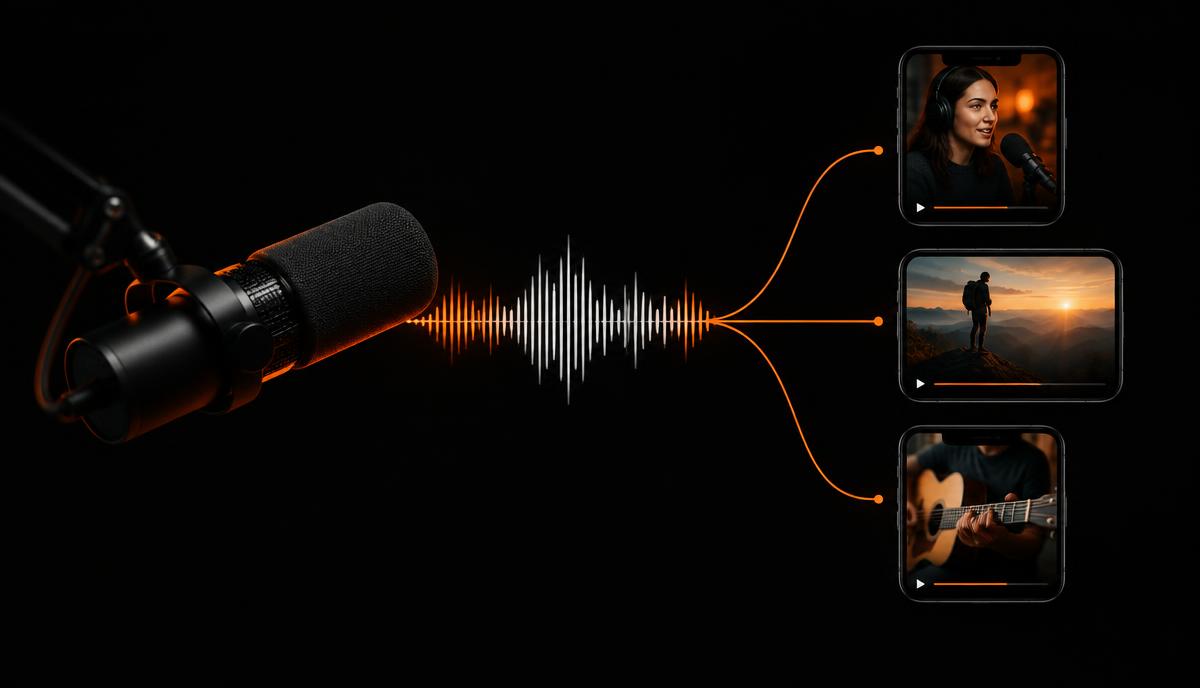
One long recording becomes three separate posts, each with its own hook and caption.
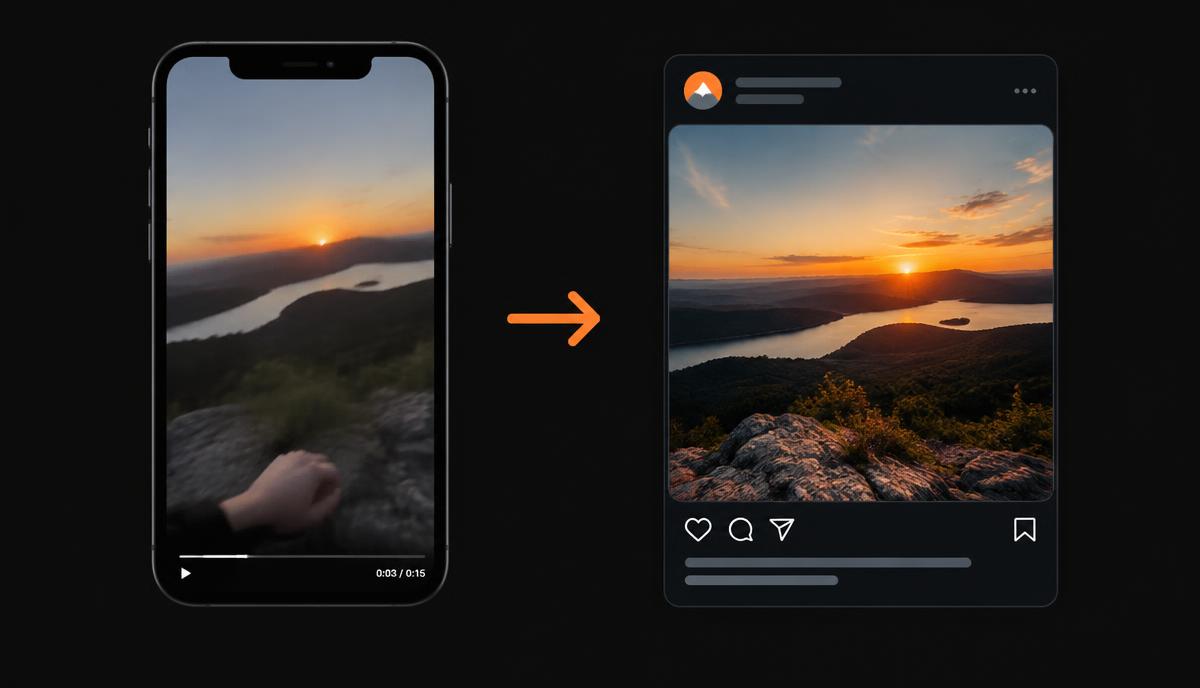
Handheld, unscripted footage turned into something on-brand enough to publish.
1 skill
Set up once
4 steps
Capture, repurpose, caption, post
3 platforms
LinkedIn, Instagram, TikTok, formatted automatically
0 stress
No scripts, no perfect lighting required
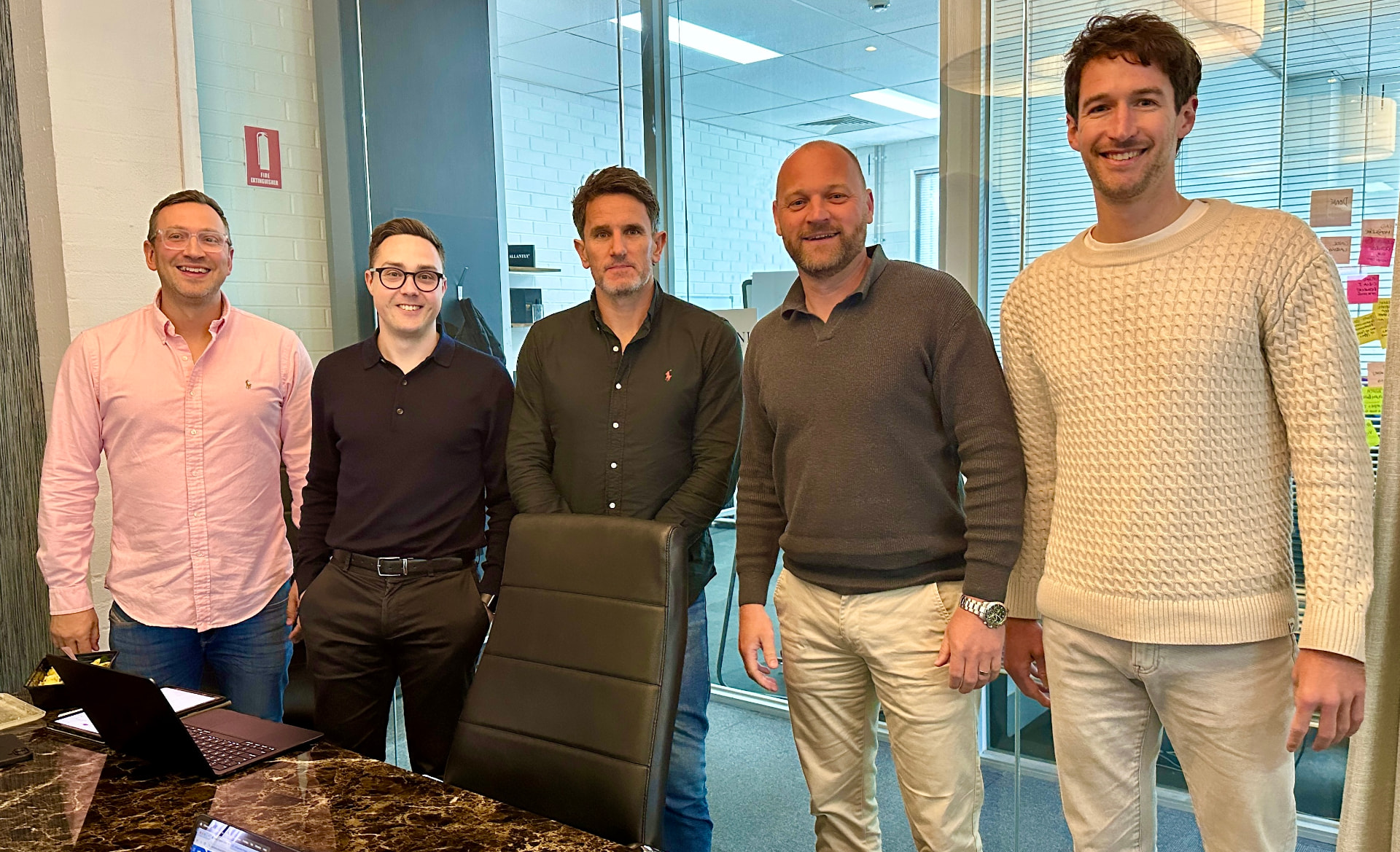
We run these sessions live, build the examples in front of you, and leave the prompts here so you can take them straight back to your own business.
[Confirm who's on this one.]
Ready for the next step?
Every Lunch & Learn leaves behind a page you can revisit, with the prompts, steps and examples from the session.
Watch replayThe setup that turns Claude into your design and pitch team. Prompts, brand skills and a full presentation built live.
Previous session
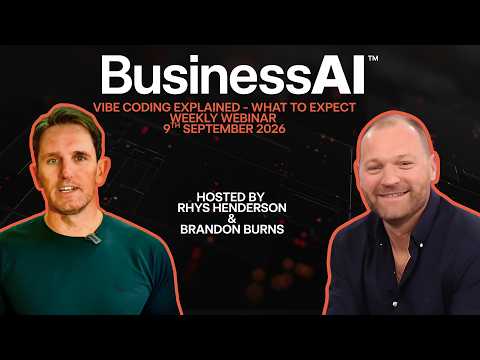 Watch replay
Do's, don'ts and the actual workflow for building with Lovable and Claude Code, not the theory.
Previous session
 Watch replay
The full resource page from the lead nurture session, with the workflow, templates and examples we built live.
Previous session
 Watch replay
A hub of practical co-work skills projects, prompts and resources you can use with your team.
Previous session